
Shopify
Leading e-commerce platform for scaling online retail
Tool Overview
Tool Type
Leading e-commerce platform combining hosted storefront with extensive app ecosystem
Core Purpose
Shopify exists as the default e-commerce platform for merchants prioritizing sales operations over content flexibility or code control. Unlike website builders with e-commerce added on, Shopify builds everything around selling products. It assumes merchants want proven infrastructure, extensive app ecosystem, and multi-channel selling without managing servers. Shopify targets e-commerce businesses where conversion, inventory management, and payment reliability matter more than design freedom or low transaction costs. The platform excels when e-commerce features, app ecosystem, and scalability outweigh platform fees, customization constraints, and content limitations. It struggles for content-heavy businesses or merchants where Shopify transaction fees make margins difficult.
"Shopify targets e-commerce businesses where conversion, inventory management, and payment reliability matter more than design freedom or low transaction costs."
Screenshots

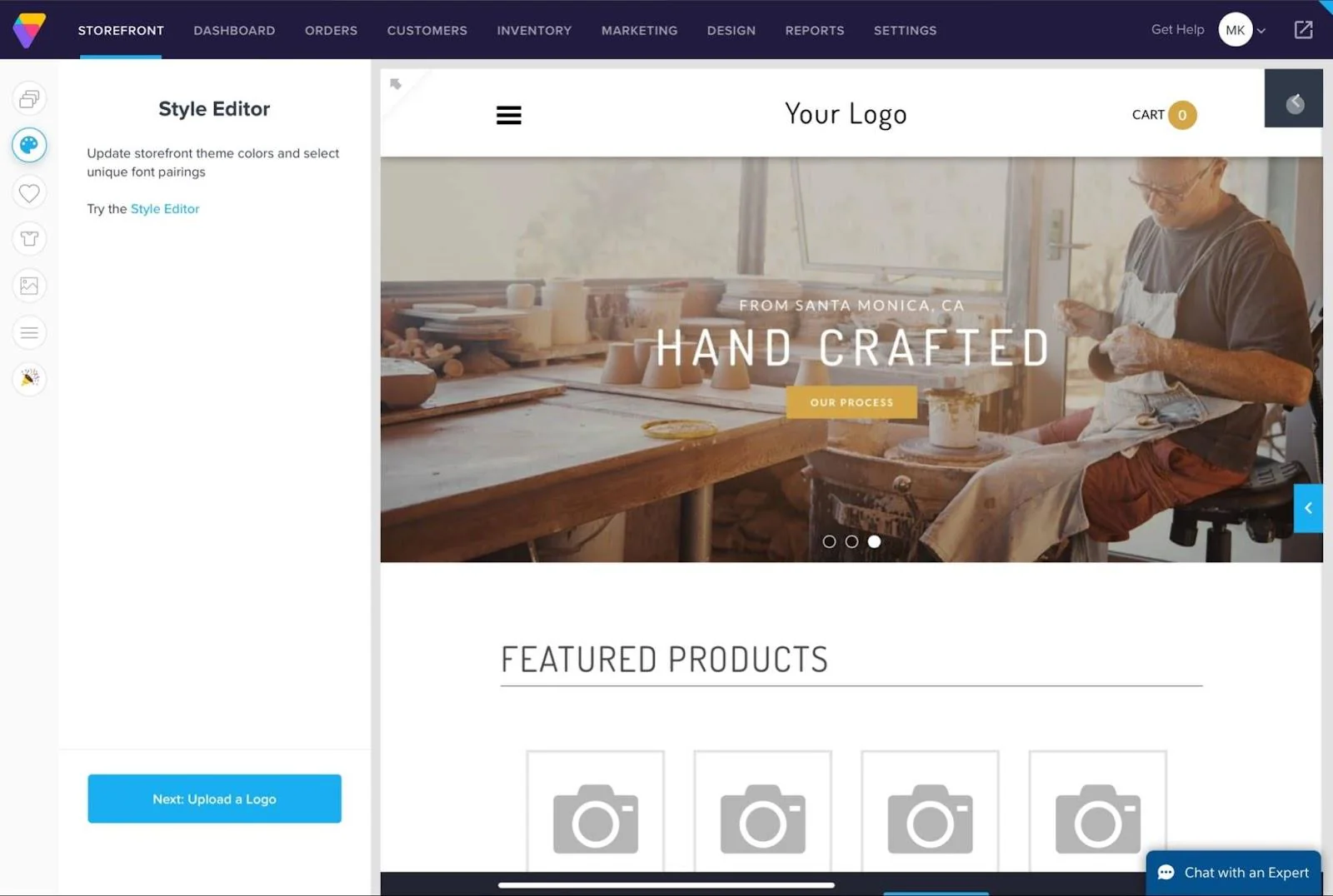
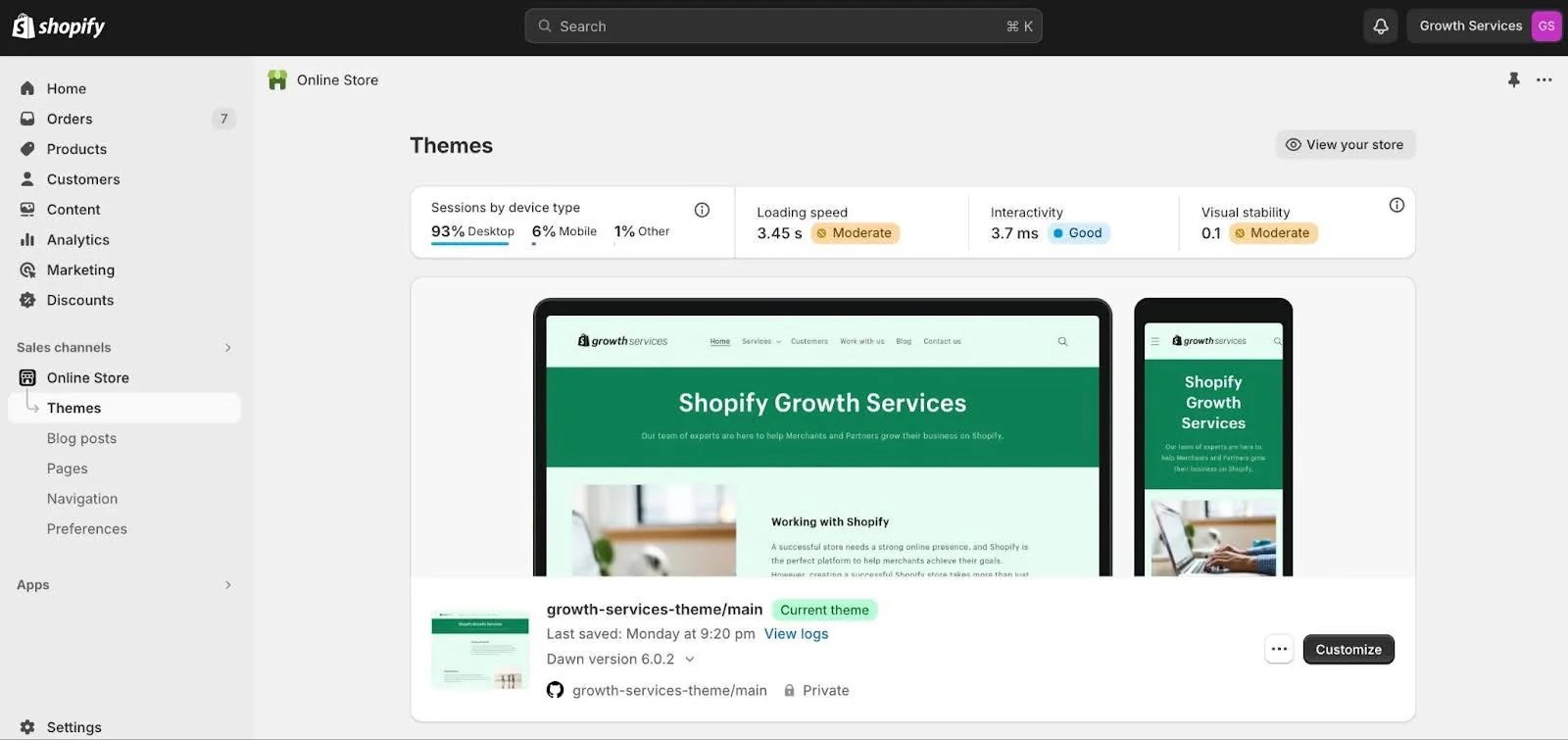
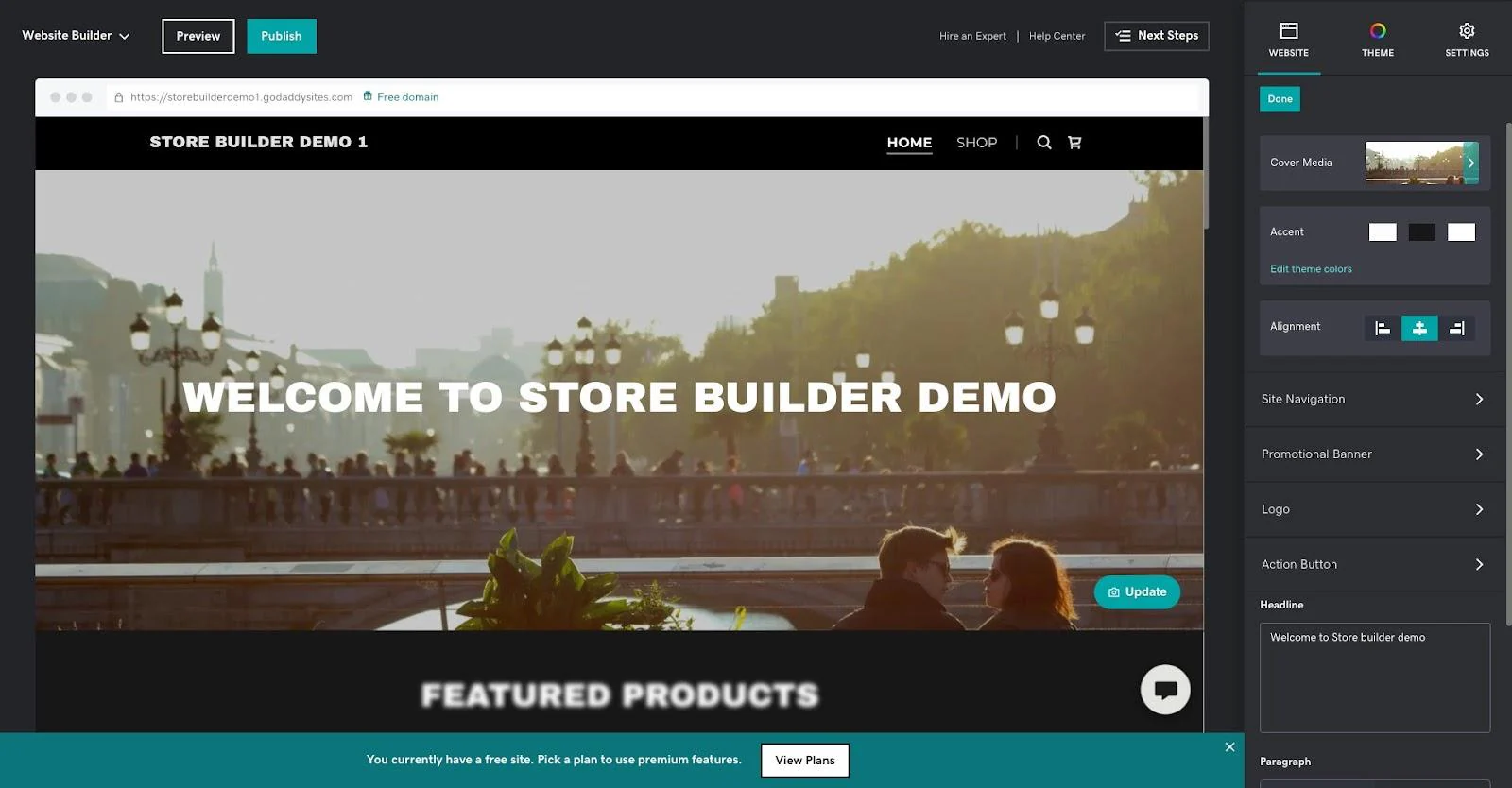
The Perfect Tool For...
- •E-commerce businesses prioritizing sales features over content flexibility
- •DTC brands wanting proven platform with extensive app marketplace
- •Retailers needing unified online and point-of-sale commerce
- •Growing stores wanting scalable infrastructure without technical management
- •Merchants needing multi-channel selling across web, social, and marketplaces
Avoid If...
- •You need deep content publishing beyond product and blog basics
- •Budget constraints make Shopify transaction fees and app costs prohibitive
- •You want complete ownership of code and hosting infrastructure
- •Your business is primarily content or service not product e-commerce
- •Complex customization needs exceed what Liquid theme system allows
Ideal Use Cases
D2C product retail
Running direct-to-consumer online store with inventory, payments, and shipping management
Multi-channel commerce
Selling across website, Instagram, Facebook, Amazon, and in-store through unified inventory
Scaling e-commerce operations
Growing from startup store to enterprise retailer on single platform without infrastructure migrations
Shopify has been recommended by Find Your Martech 13 times.
Detailed Evaluation
Organizational Fit for Shopify
Early-stage start-up / solo
goodSmall team / agency
goodSMB / growing company
goodEstablished / large org
goodFind Your Martech Scores for Shopify
Q1: What is your main goal for your website?
Q2: How comfortable are you with creating or editing websites?
Q3: How many people will work on the website?
Q4: What matters more to you: simplicity or flexibility?
Q5: How much content will you manage on the site?
Q6: How important are integrations and extensibility?
Key Features
Strengths
- Best e-commerce feature set and reliability in category
- Largest app ecosystem for extending store functionality
- Multi-channel selling unified in single platform
- Proven scalability from startup to enterprise
- Shop Pay checkout increases conversion rates
Weaknesses
- Transaction fees on top of payment processing costs
- App costs add up quickly making total cost unpredictable
- Limited content management beyond products and basic blog
- Theme customization constrained by Liquid template system
- Monthly costs significant for early-stage stores with low revenue
CRM Tool Synergies — Shopify
These are CRM tools that work particularly well with Shopify.
Shopify and Klaviyo are a standard pairing for ecommerce email and lifecycle marketing.
Shopify stores commonly use Omnisend for ecommerce email and SMS marketing.
HubSpot CRM integrates with Shopify for lead and customer lifecycle management.
Drip is commonly used for ecommerce automation and lifecycle flows.
ActiveCampaign provides automation for Shopify-based businesses.
Analytics Tool Synergies — Shopify
These are analytics tools that work particularly well with Shopify.
GA4 is a core analytics dependency for ecommerce attribution and funnel tracking.
Ecommerce brands use Amplitude for customer journey and retention analysis.
Behavioral analytics supports conversion optimization and lifecycle insights.
Automatic event tracking is widely used for ecommerce behavior analysis.
Product-led commerce teams use PostHog for experimentation and feature insights.
Design Tool Synergies — Shopify
These are design tools that work particularly well with Shopify.
Ecommerce teams use Canva for product visuals, promotions, and storefront assets.
Storefront and theme customization workflows often start in Figma.
Custom storefront design workflows often originate in Sketch.
Product imagery and campaign visuals are created in Photoshop.
Logos, icons, and vector assets support ecommerce storefronts.
Cost Profile
🪙 ⚠️ Mid cost · Time-limited access · Scales steeply
Alternatives
Explore More Reviews
Want Personalized Tool Recommendations?
Take our questionnaire to get customized recommendations based on your specific needs, team size, and budget.
Start the QuizStop Wasting Time on the Wrong Tools
Stop wasting time (and budget) testing endless marketing tools that don't actually fit your needs. Every business is different, your goals, team size, workflow, and growth stage all require a tailored solution, not a generic "top 10 tools" list. Our service helps you cut through the noise: a simple questionnaire-style quiz analyzes how you work and delivers clear, practical recommendations for the marketing tech that truly suits you.