Next.js
Production React framework with flexible rendering (SSG/SSR/ISR) plus routing and API routes
Tool Overview
Tool Type
React framework supporting static generation, server-side rendering, and edge functions for production-grade web applications
Core Purpose
Next.js exists as the de facto React framework for production web applications, offering rendering flexibility that no other solution matches. Unlike pure static site generators or client-only React, Next.js lets teams choose per-page whether to statically generate, server render, or stream from edge. It assumes React teams need production-grade framework handling performance, SEO, and routing without building custom infrastructure. Next.js targets engineering teams where React is the chosen stack and rendering flexibility justifies framework adoption. The platform excels when hybrid rendering, React ecosystem familiarity, and Vercel integration align with team needs. It struggles when teams do not need React, when simpler frameworks handle content sites more efficiently, or when framework complexity exceeds project requirements.
"js exists as the de facto React framework for production web applications, offering rendering flexibility that no other solution matches"
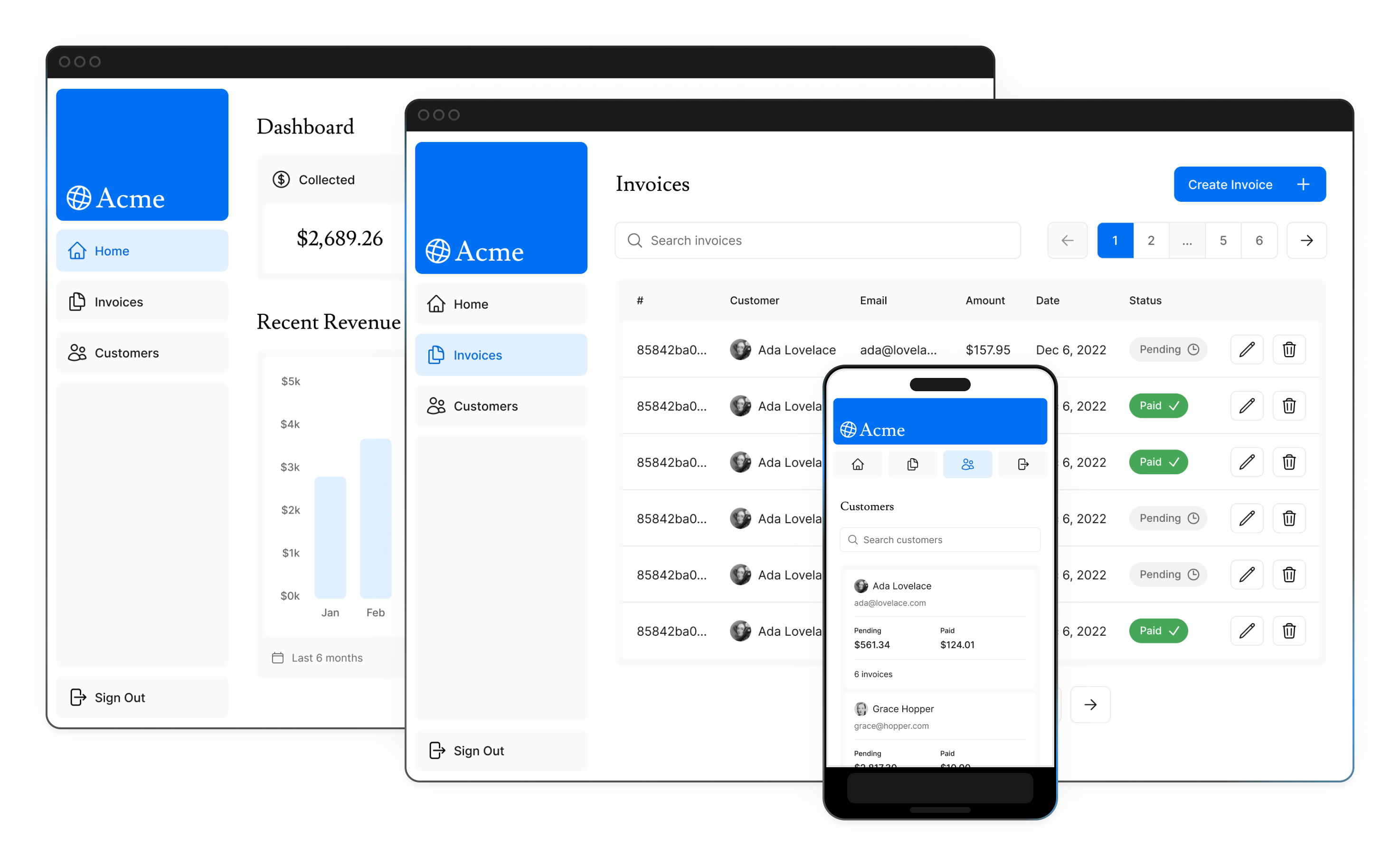
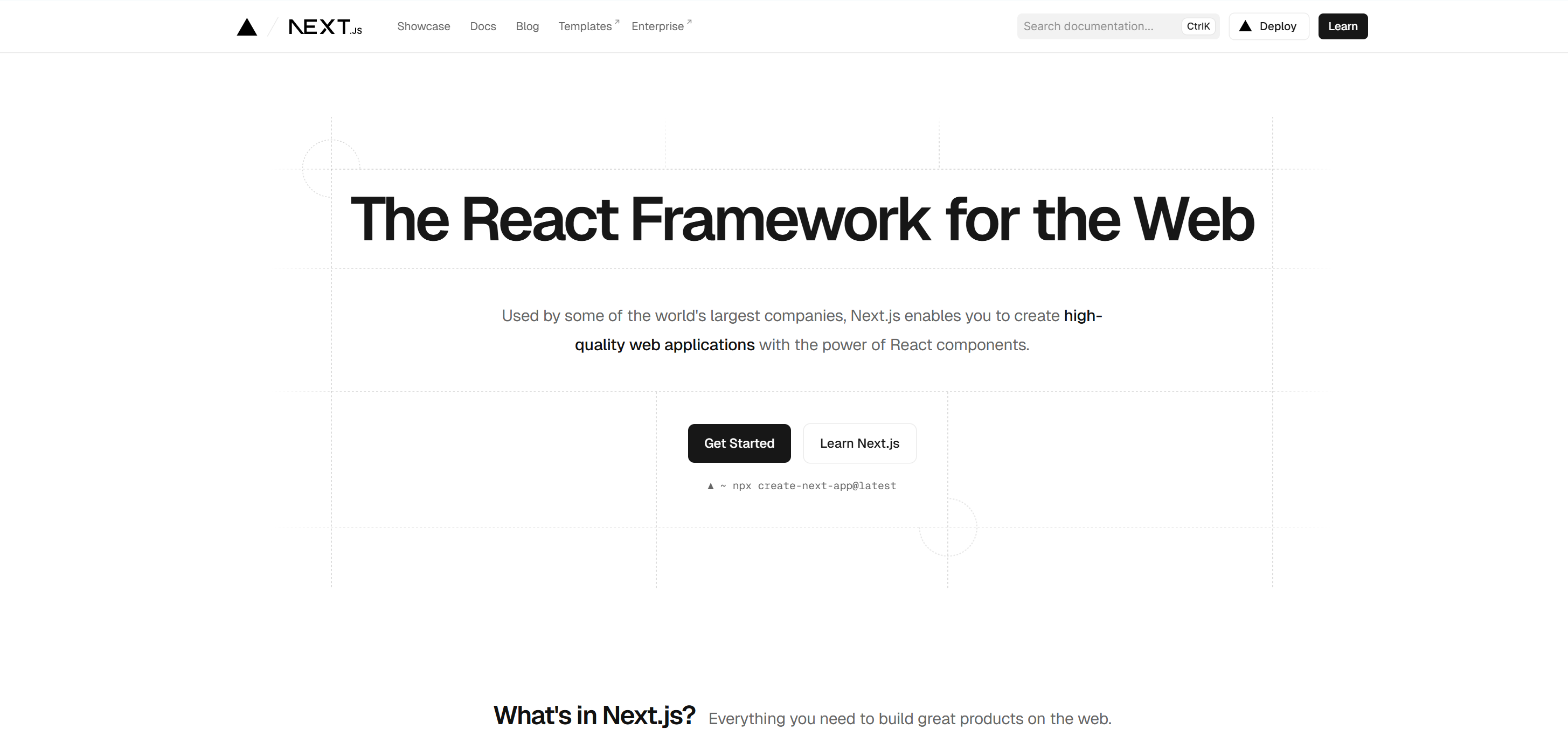
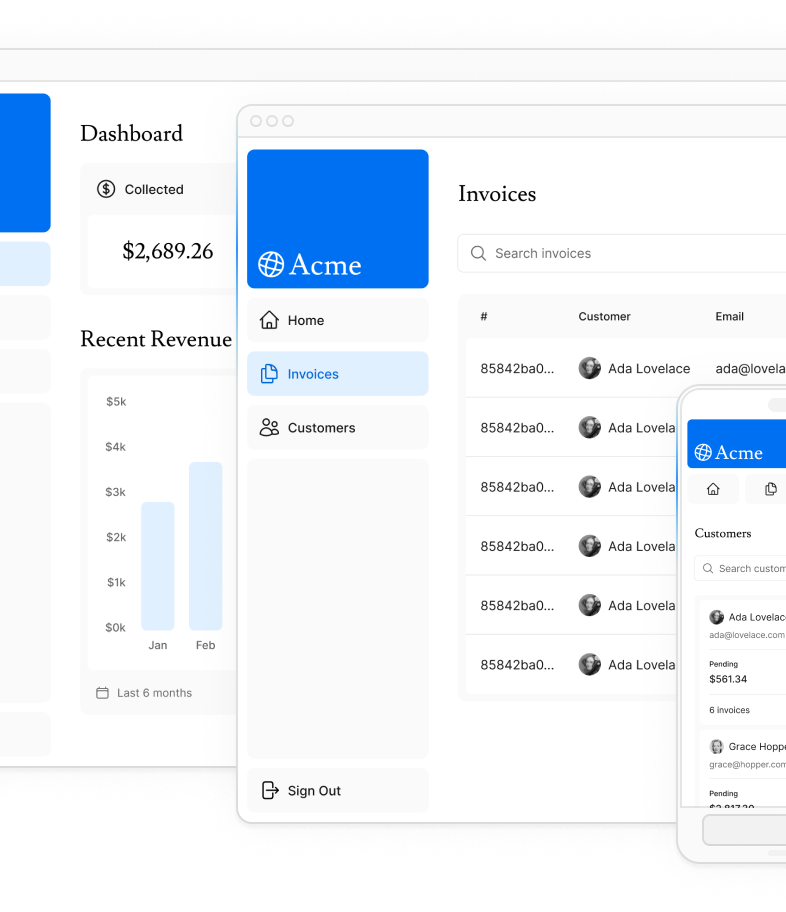
Screenshots
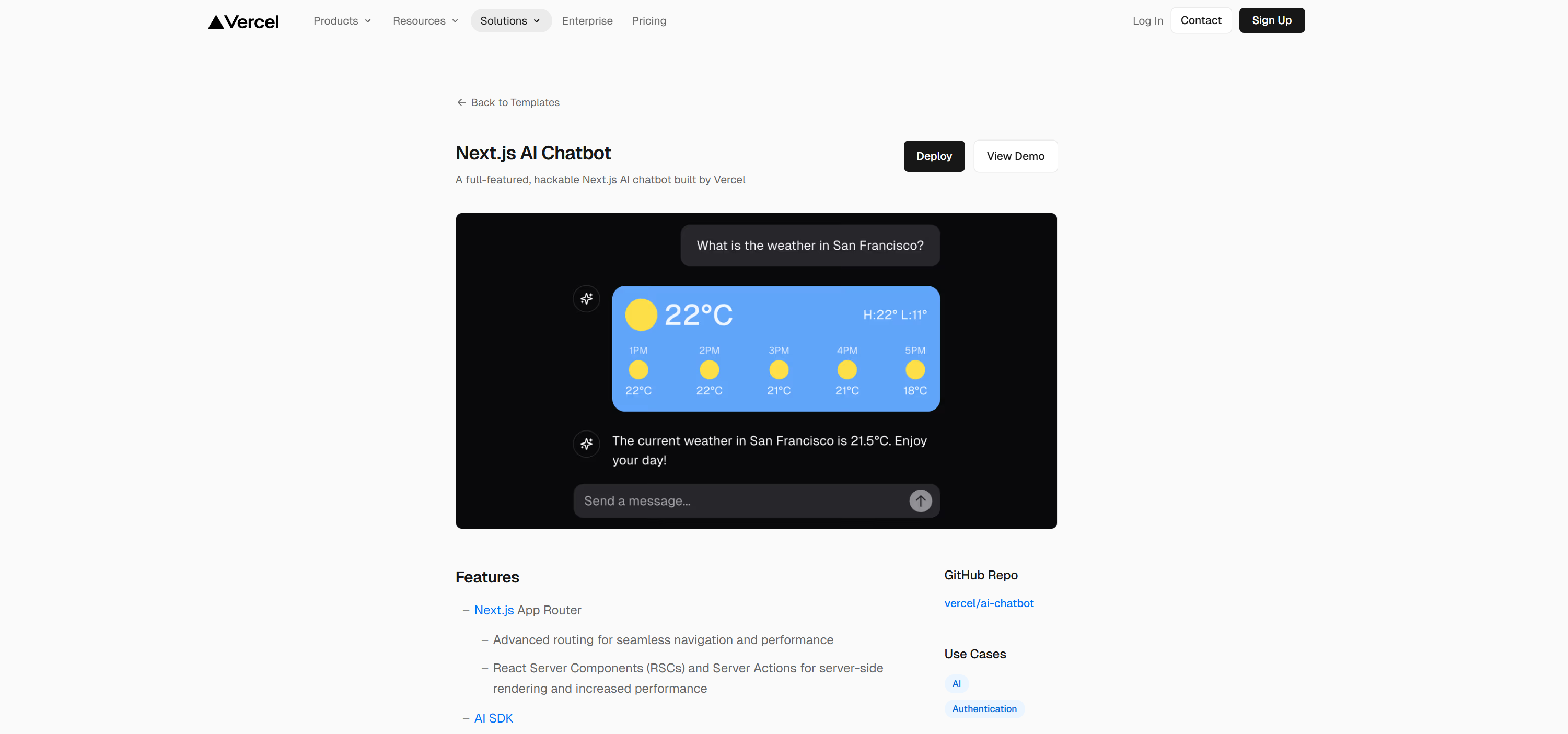
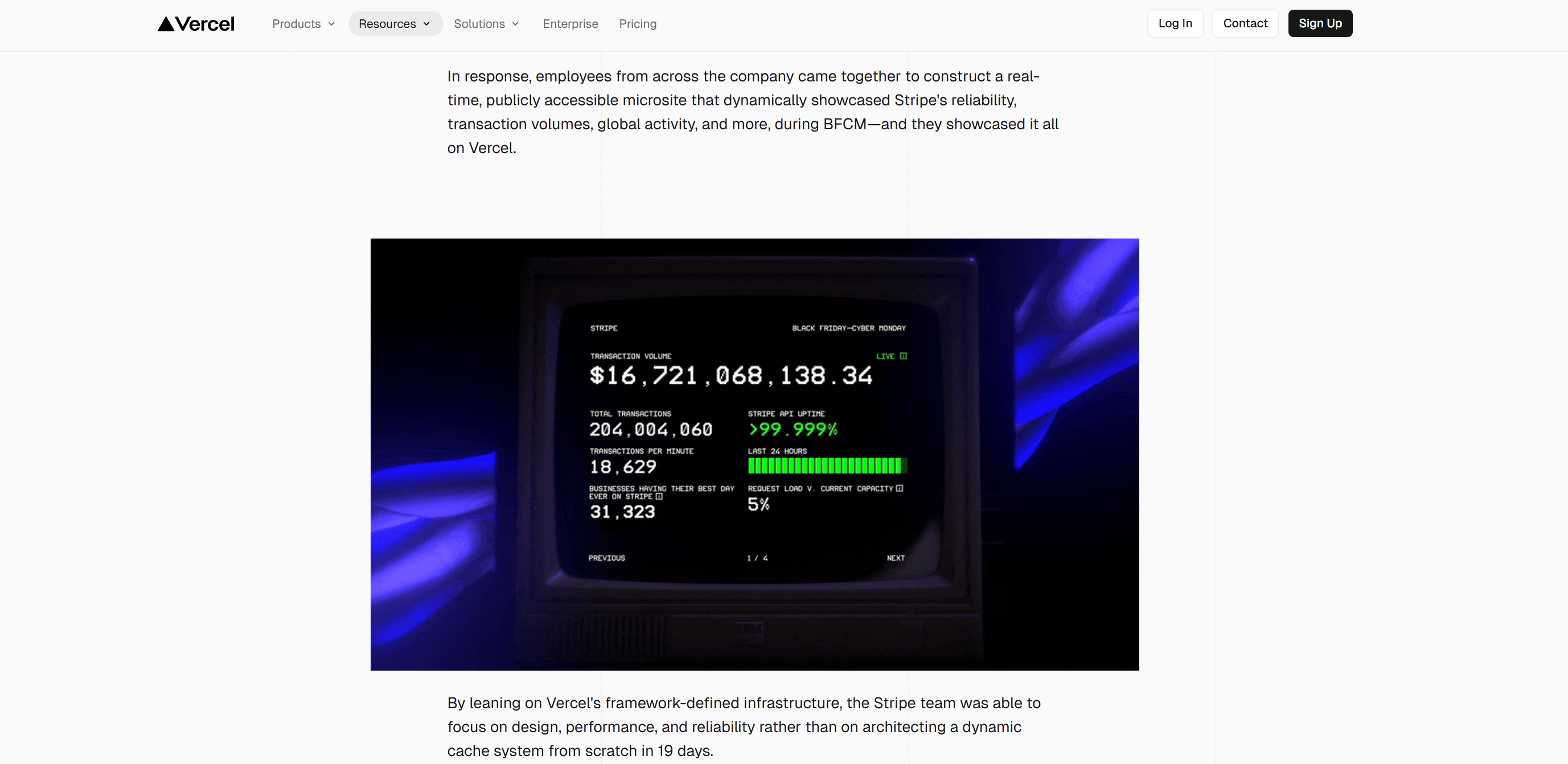
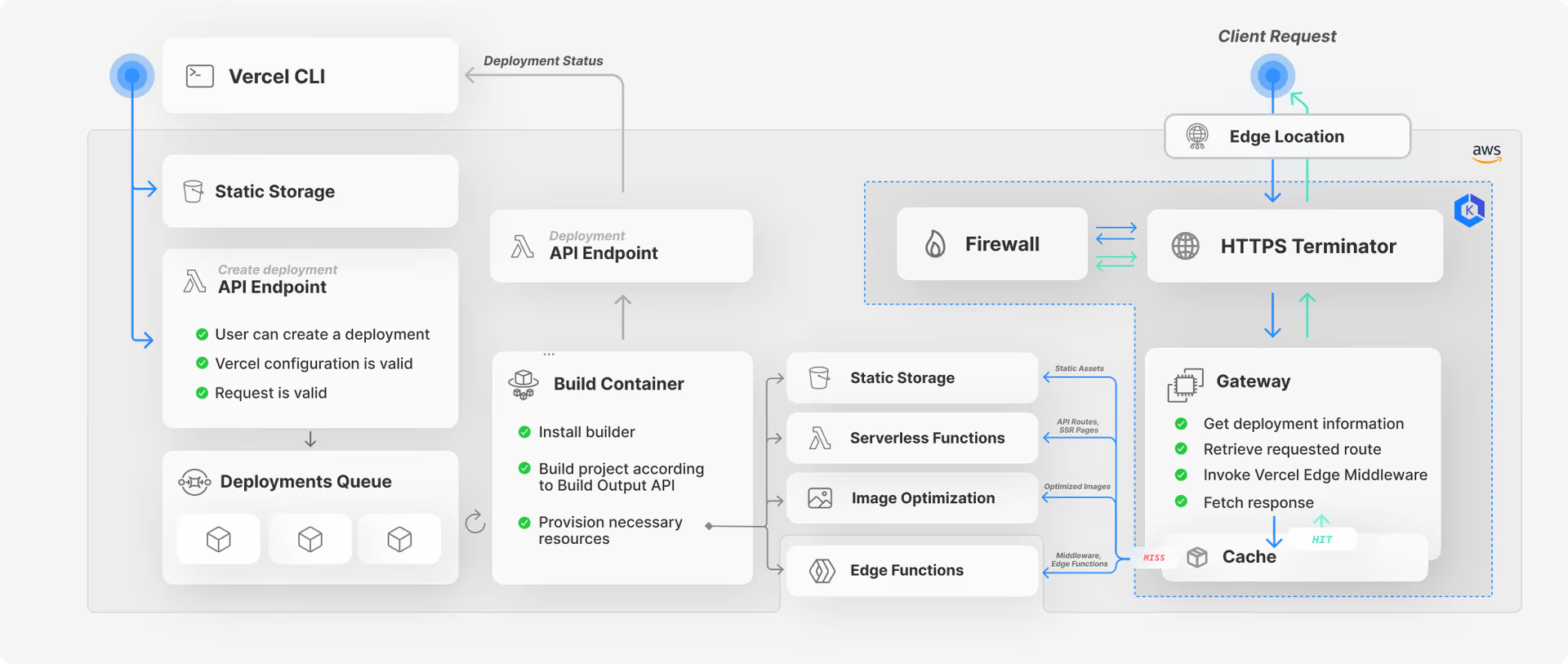
The Perfect Tool For...
- •React developers building production web applications needing rendering flexibility
- •Teams wanting single framework covering static sites, SSR, and API routes
- •Organizations requiring performance, SEO, and dynamic content in one solution
- •Engineering teams building headless CMS frontends at enterprise scale
- •Companies wanting Vercel-optimized deployment or self-hosted React applications
Avoid If...
- •Your team lacks React and JavaScript expertise for framework-level development
- •Simple static site does not require React framework overhead
- •Non-technical users need to manage content without developer involvement
- •Build complexity and React ecosystem are unnecessary for project scope
- •Simpler frameworks like Astro or Hugo better match content-heavy use cases
Ideal Use Cases
Full-stack React application
Building web application combining frontend React components with API routes in unified Next.js project
Hybrid rendering website
Combining static generation for marketing pages with server-side rendering for dynamic user-specific content
Headless CMS frontend
Creating high-performance frontend for Contentful, Sanity, or Strapi content using Next.js rendering strategies
Next.js has been recommended by Find Your Martech 10 times.
Detailed Evaluation
Organizational Fit for Next.js
Early-stage start-up / solo
limitedSmall team / agency
goodSMB / growing company
goodEstablished / large org
goodFind Your Martech Scores for Next.js
Q1: What is your main goal for your website?
Q2: How comfortable are you with creating or editing websites?
Q3: How many people will work on the website?
Q4: What matters more to you: simplicity or flexibility?
Q5: How much content will you manage on the site?
Q6: How important are integrations and extensibility?
Key Features
Strengths
- Most flexible rendering options of any React framework
- Largest React framework ecosystem and community
- Vercel deployment deeply optimized for Next.js features
- React Server Components enable new performance patterns
- Full-stack capability combines frontend and API in one project
Weaknesses
- React expertise required making it inaccessible to non-developers
- Overkill for content sites not needing React or dynamic rendering
- Rapid API changes create upgrade complexity between major versions
- Vercel hosting costs accumulate at scale versus self-hosting
- Build times and cold starts can be significant for large applications
CRM Tool Synergies — Next.js
These are CRM tools that work particularly well with Next.js.
Custom Next.js applications commonly integrate with HubSpot CRM.
Enterprise Next.js applications integrate with Salesforce for customer management.
Analytics Tool Synergies — Next.js
These are analytics tools that work particularly well with Next.js.
GA4 is commonly used alongside Next.js for production web analytics.
Event-based analytics integrates deeply with modern React architectures.
Privacy-first, first-party analytics pipelines are common in Next.js stacks.
Product and growth teams use Amplitude for deep behavioral analysis.
Event tracking is tightly integrated into application logic.
Design Tool Synergies — Next.js
These are design tools that work particularly well with Next.js.
Application and marketing UIs are designed in Figma before development.
Cost Profile
💚 Low cost · Free to start · Predictable scaling
Explore More Reviews
Want Personalized Tool Recommendations?
Take our questionnaire to get customized recommendations based on your specific needs, team size, and budget.
Start the QuizStop Wasting Time on the Wrong Tools
Stop wasting time (and budget) testing endless marketing tools that don't actually fit your needs. Every business is different, your goals, team size, workflow, and growth stage all require a tailored solution, not a generic "top 10 tools" list. Our service helps you cut through the noise: a simple questionnaire-style quiz analyzes how you work and delivers clear, practical recommendations for the marketing tech that truly suits you.